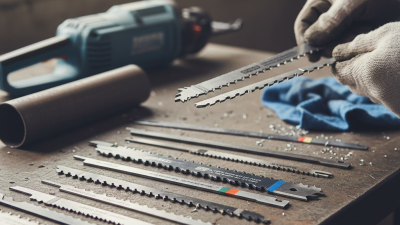
When you're picking out reciprocating saw blades, it's pretty important to get a good idea of your options. These blades are vital for all sorts of cutting jobs—whether you're working with wood, metal, or other materials. Honestly, it’s easy to overlook some of the smaller details here, but trust me, those little things can really make or break your project.
Different materials need different blades. A lot of folks forget that not all blades are created equal—each has its own tooth count and made from varying materials. For example, a bi-metal blade is pretty versatile since it can handle both soft and hard materials. Picking the wrong blade, though, could mean you end up with crappy cuts or even damage your saw. So yeah, quality and precision really do matter.
You’ll also want to think about how thick and dense the stuff you're cutting is—not just for performance but also for safety. Using the right blade helps prevent accidents and keeps things running smoothly.
Honestly, with so many options out there, it can feel a bit overwhelming. But if you’re informed and choose wisely, you'll be more efficient and confident in your work. Don’t hesitate to ask for advice from pros—sometimes a quick tip from someone in the know makes all the difference. At the end of the day, using the right reciprocating saw blades can really elevate your project and help you hit your goals without a hitch.

When selecting reciprocating saw blades, understanding their types and applications is crucial. Reciprocating saw blades come in various designs, each optimized for specific materials. For wood cutting, you typically use blades with coarse teeth. These quickly remove material, helping you achieve clean cuts. On the other hand, metal cutting requires blades with finer teeth. The blade's thickness also matters; thicker blades handle tougher materials.
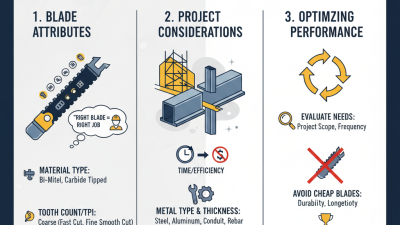
Tips for choosing the right blade include considering the material you’ll cut. If you plan to work with a mix of materials, a bi-metal blade may be your best bet. This type combines flexibility and durability, making it versatile for both wood and metal jobs. Check the TPI (teeth per inch) of the blade. Higher TPI is best for smooth cuts, while lower TPI is ideal for faster, rough cuts.
Another reflection point is how often you change blades. Dull blades can lead to accidents and poor results. It's vital to monitor blade wear and replace them regularly. A sharp blade not only cuts better but also enhances safety. Always ensure your blade and saw are compatible for optimal performance. The right choice can significantly impact your project’s success.
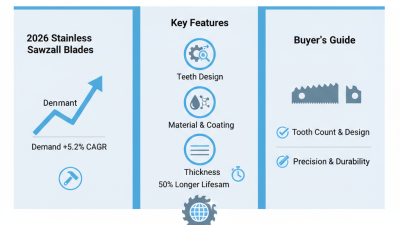
Choosing the right reciprocating saw blade is essential for optimal performance. The teeth count, material, and design of the blade play crucial roles. A blade's teeth count directly influences its cutting speed and quality. Generally, more teeth provide a smoother cut, but a lower count can make aggressive cuts faster. For example, a blade with 10 teeth per inch is suited for demolition, while one with 18 teeth per inch is better for precise cuts.
Material is another critical factor. High-carbon steel offers flexibility and is great for thin materials. Bi-metal blades combine the resilience of high-speed steel with the durability of carbon steel. Knowing your project's requirements helps in selecting the right material. Design features, like the blade's overall shape and width, also matter. A wider blade can provide more stability but may struggle in tight spaces.
Choosing the right blade involves balancing these factors. Consider the cutting tasks and materials you regularly encounter. Reflecting on past projects and their needs may guide your next selection. A well-informed choice leads to better results, enhancing your cutting experience.
This chart illustrates the performance of different reciprocating saw blades based on factors like teeth count, material, and design. The data reflects their relative cutting speed, which is essential for effective blade selection in various applications.
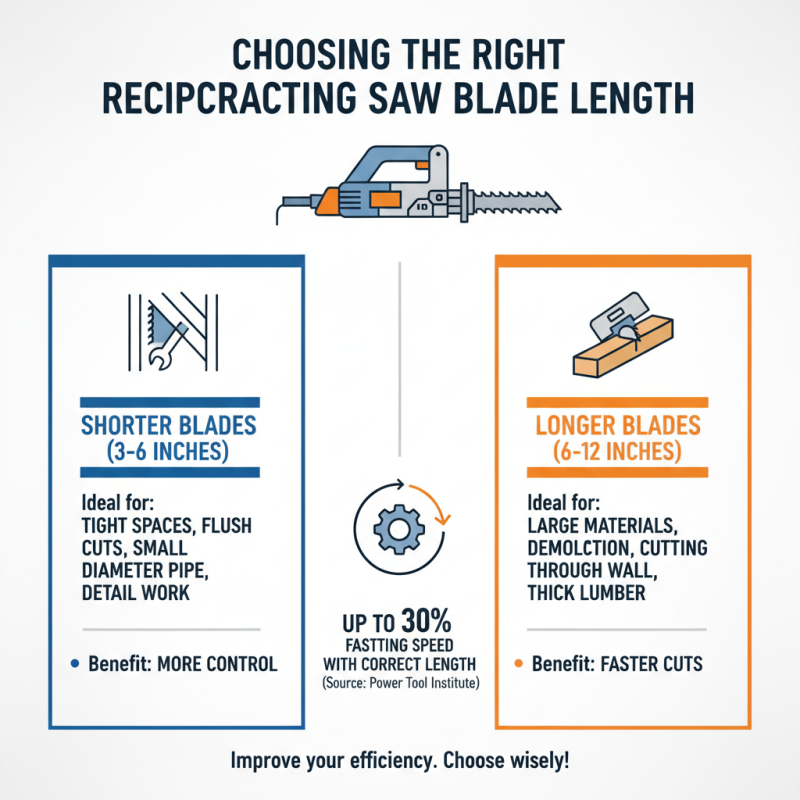
When selecting the right reciprocating saw blade length, understanding your cutting needs is vital. Blades come in various lengths, usually ranging from 3 to 12 inches. A report by the Power Tool Institute states that using the correct length can improve cutting speed by up to 30%. Shorter blades are ideal for tighter spaces, while longer blades excel in larger cuts.
Consider the thickness of the material you'll be working with. For materials over 1 inch thick, a longer blade provides deeper cuts. Conversely, a blade shorter than 6 inches can be more precise for intricate work. A study published in the Journal of Mechanical Engineering emphasized that selecting the right blade length not only enhances efficiency but also extends blade life. This can save costs over time, as blades do wear out, and incorrect lengths can lead to premature failure.
Not everyone assesses their needs accurately. Many users opt for longer blades thinking they'll cover more ground. However, this can lead to reduced control and precision. Reflecting on past projects, some might realize that their choice cost them time or materials. Knowing the project details will guide you in making the best decision for blade length.
Choosing the right reciprocating saw blade depends heavily on the material you plan to cut. For wood, blades with a high tooth count provide smoother cuts. The ideal range for wood cutting is between 6 to 14 TPI (teeth per inch). A study by the Power Tool Institute shows that the correct tooth count can improve cutting speed and reduce splintering.
When switching to metal, the material of the blade changes. Bi-metal blades, which blend steel and high-speed steel, are more durable and can handle tough cuts. Industry analysts note that these blades last 30% longer than standard steel blades in metal applications. Remember, the tooth pitch should be 10 to 18 TPI for metals.
For those tackling diverse materials, consider a versatile blade that can handle multiple applications. Some blades specialize in both wood and metal. However, you may find them less effective than dedicated blades for heavy-duty tasks. It's crucial to assess your cutting needs. Using a blade that does not match the material may lead to quicker wear and less efficient cuts. Always think ahead about your project requirements before selecting a blade.
When selecting reciprocating saw blades, understanding tooth geometry is crucial. The rake angle significantly influences cutting efficiency. A positive rake angle creates a sharper entry into the material. This is ideal for softer materials, providing faster cuts. However, if the angle is too steep, the blade may bind and break.
Tooth shape is another essential factor. Blades with wider, flatter teeth work well for cutting wood and plastic. They allow for smooth, efficient cuts. In contrast, narrow teeth perform better on metal and denser materials. They create finer cuts, reducing the risk of jamming. It’s important to match the tooth shape to your specific tasks.
Adjusting to the right combination of rake angle and tooth shape takes practice. Many users find themselves with blades that don’t suit their projects. Experimenting with different styles can help refine your technique. Consider how each blade performs over time. Reflection on past choices can lead to better decisions in future projects. Balancing these elements is key to achieving optimal results.
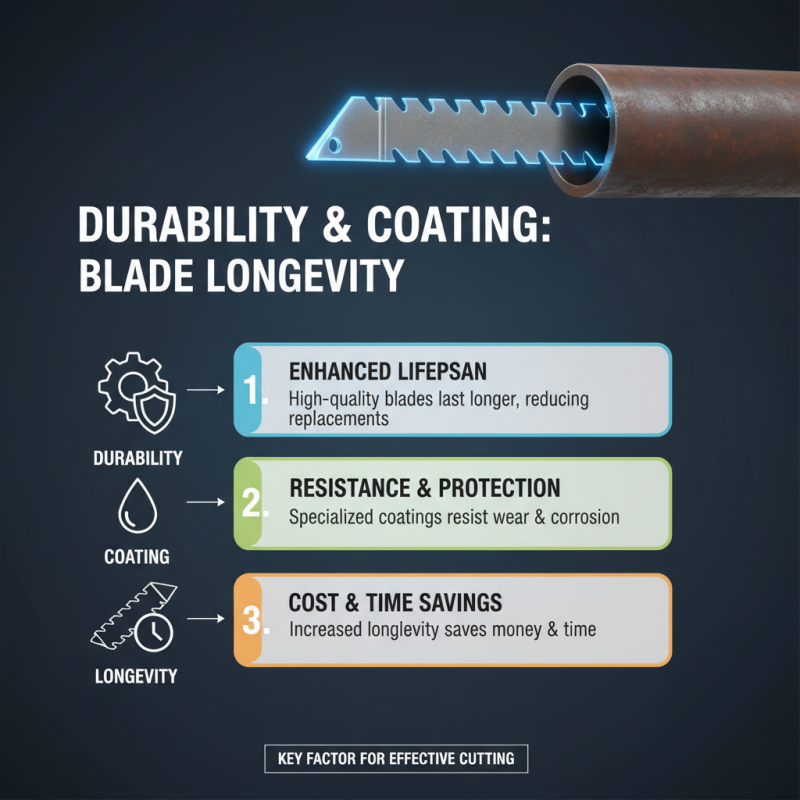
Choosing the right reciprocating saw blade is crucial for effective cutting. One key factor is durability and coating. High-quality blades last longer and withstand rigorous use. Blades with specialized coatings resist wear and corrosion. This enhances longevity, ultimately saving you time and money.
When selecting a blade, consider the material it’s made from. Steel blades are versatile and affordable. Bi-metal blades offer better flexibility and strength. Carbid-tipped blades provide the best performance for tough materials. Each type serves different cutting needs.
Investing in blades with protective coatings can also make a difference. Some coatings reduce friction, leading to smoother cuts. Others prevent build-up of debris on the blade surface. Always examine the coating before purchasing. Check if it is designed for your specific cutting tasks. This attention to detail can prevent future frustrations.
Maintaining your reciprocating saw blades is crucial for optimal performance. Regular maintenance extends the life of the blades and enhances cutting efficiency. Start by keeping the blades clean. Dirt and resin build-up can reduce their effectiveness. Use a wire brush or cloth to remove debris after each use. It's a simple step that pays off significantly.
Check the sharpness of your blades frequently. Dull blades require more effort and can cause overheating. If a blade shows signs of wear, replace it promptly. This may seem redundant, but it ensures safety and precision. Additionally, store blades in a protective case. Proper storage prevents dulling and accidental damage. Consider organizing by type or size for easy access and usability.
Don't overlook the importance of lubrication. Applying a small amount of oil can prevent rust and corrosion. Some users forget this step or think it’s unnecessary. Over time, neglecting lubrication can lead to costly replacements. Be mindful of how you operate your saw. Using excessive force can strain the blades and lead to premature wear. Taking these steps requires discipline but is essential for maintaining quality.
| Tip Number | Tip Description | Material Type | Application | Lifespan |
|---|---|---|---|---|
| 1 | Choose the right TPI (Teeth Per Inch) | High-carbon steel | Wood cutting | Approx. 50 cuts |
| 2 | Consider blade length based on task | Bi-metal | Metal cutting | Approx. 100 cuts |
| 3 | Check the blade pitch for optimal performance | Carbide-tipped | Reinforced plastic/cement | Approx. 150 cuts |
| 4 | Select a blade suitable for the material thickness | HSS (High-speed steel) | Thin metal cutting | Approx. 80 cuts |
| 5 | Opt for a thicker blade for durability | Flexible bi-metal | Various materials | Approx. 120 cuts |
| 6 | Ensure proper mounting to avoid vibrations | Cobalt steel | Heavy metal cutting | Approx. 75 cuts |
| 7 | Use coolant for extended blade life | Carbide | Hard materials | Approx. 200 cuts |
| 8 | Check for vibration resistance for stability | Steel | Wood and metal | Approx. 60 cuts |
| 9 | Select the correct tooth shape for clean cuts | Rough-tooth design | Wood | Approx. 70 cuts |
| 10 | Store blades properly to prevent damage | Titanium-coated | General purpose | Approx. 90 cuts |
: There are different types for wood and metal. Each type has unique designs for specific materials.
Use blades with coarse teeth. They quickly remove material and help achieve clean cuts in wood.
Use blades with finer teeth. Thicker blades are also better for tougher metal materials.
A bi-metal blade combines flexibility and durability. It's versatile for cutting both wood and metal.
Higher TPI allows for smoother cuts. Lower TPI makes faster, rough cuts for aggressive tasks.
Regularly monitor blade wear. Dull blades can cause accidents and lead to poor quality cuts.
Ensuring compatibility boosts performance. The wrong combination can affect cutting efficiency.
High-carbon steel is flexible for thin materials. Bi-metal blades work well for various tasks.
Blade shape and width matter. Wider blades offer stability but can struggle in tight spaces.
Consider your previous projects and their needs. This reflection can improve your next blade selection.
Choosing the right reciprocating saw blades is crucial for achieving optimal cutting performance in various applications. This article provides essential tips by first clarifying the types of reciprocating saw blades available and their specific uses. Key factors such as teeth count, blade material, and design significantly impact performance, making it important to understand their implications when selecting a blade.
Additionally, the article emphasizes the importance of blade length in relation to cutting tasks and offers guidance on selecting suitable blades for different materials, including wood and metal. Exploring tooth geometry, such as rake angle and tooth shape, further helps in making informed choices. The durability and coating of blades play a vital role in enhancing their longevity, and maintenance tips are given to extend the life of your reciprocating saw blades, ensuring they remain effective and reliable over time.