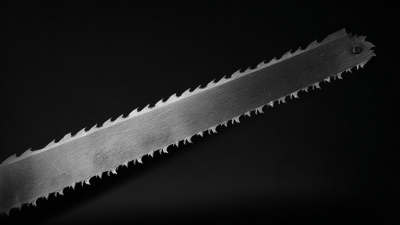
In the world of woodworking and construction, your choice of tools can really make or break the quality and efficiency of your project. One crucial piece of that toolkit is the saw blades. As John Anderson, an industry expert from Precision Cutting Tools, puts it, "Picking the right saw blades not only boosts your tools' performance but also keeps things safe and accurate." With so many different saw blades out there these days, it’s super important to understand the various types, materials, and how they’re supposed to be used — otherwise, it gets pretty overwhelming.
Looking ahead to 2025, the demand for specialized saw blades is only skyrocketing, especially since they’re now crafted to handle everything from tough hardwoods to metals. I know it can feel kind of intimidating to sift through all these options, but trust me — with a little guidance, you can definitely level up your project results. This guide’s here to help clear things up, giving you the essential info on what influences blade choice and how to find the perfect saw blades for whatever you’re working on. Once you get a handle on the different features and what each blade can do, you'll feel way more confident tackling any project that comes your way.
When embarking on a woodworking or construction project, selecting the right type of saw blade is crucial for achieving the desired results while maintaining efficiency.
The first step in making this decision is understanding the material you will be working with.
Different materials, whether hardwood, softwood, plywood, or metal, require specific blade types to ensure clean cuts and avoid damage. For example, a high tooth count blade is ideal for fine finishes in hardwood, while a lower tooth count blade is often better suited for faster cuts in softer woods.
Additionally, blade design plays a significant role in the cutting process.
Consider the tooth geometry; flat-top teeth are excellent for making quick, straight cuts, while alternate top bevel (ATB) teeth provide a more refined edge suitable for cross-cutting.
If you’re working with thicker materials or want to achieve more aggressive cuts, opting for a blade with a specialized design, such as a rip blade, can enhance your productivity.
By matching the blade type to your specific material needs, you not only improve the quality of your cuts but also extend the lifespan of your saw blades.
This thoughtful alignment ensures that your projects proceed smoothly and effectively.
When selecting the right saw blade for your projects, it's essential to understand the different materials available and their respective properties. Commonly used materials include high-carbon steel, high-speed steel, carbide-tipped, and diamond blades. High-carbon steel blades are ideal for smooth cuts and are often used for softwoods and plywood. However, they tend to dull quicker than other types. High-speed steel offers more durability and can withstand higher temperatures, making it suitable for varied applications, including metal cutting.
Carbide-tipped blades are favored for their longevity and efficiency. They maintain sharp edges longer than their high-carbon and high-speed steel counterparts, making them perfect for hardwoods and composite materials. Finally, diamond blades are specifically designed for cutting through tough materials such as tile and concrete. They are excellent for specialized projects but may not be necessary for general woodworking tasks.
Tips for Choosing the Right Blade: Always match the blade material to the material you are cutting. For instance, if you're working primarily with hardwood, a carbide-tipped blade will provide the best results. Additionally, consider the thickness and type of cuts needed; thicker blades are better suited for heavy-duty tasks, while thinner blades allow for more intricate cuts. Lastly, remember to check your saw's compatibility with the selected blade to ensure optimal performance.
When it comes to selecting the right saw blades for your projects, the tooth configuration is a critical factor that drastically influences cutting performance. The arrangement and shape of the teeth on a saw blade determine not only the type of material you can cut but also the quality of the cut itself. Generally, blades with fewer teeth, like those for ripping, can remove more material quickly, making them suitable for cutting soft wood along the grain. In contrast, blades designed for crosscutting feature more teeth, which provide cleaner cuts across the grain, perfect for finishing work.
Tips: When analyzing tooth configurations, consider the material of the blade itself. A high tooth count might seem advantageous for smoother cuts, but if you're working with dense materials, a lower tooth count can enhance efficiency. Always assess the thickness of the material and the desired finish before making a selection.
Another critical element is the tooth geometry, including the angle at which the teeth are positioned. A positive hook angle can enable quicker cutting, while a negative hook angle allows for more control during the cut, reducing the chance of kickback. This variability can be crucial depending on your experience level and the specific demands of your project.
Tips: If you're unsure which configuration to choose, consider purchasing a versatile blade with a mix of tooth shapes to experiment with different types of cuts. This type of blade can serve various purposes and provide insights into what works best for your future projects.
When it comes to selecting the right saw blades for your projects, the importance of blade diameter cannot be overstated. The diameter of a blade directly affects its cutting ability, speed, and the thickness of the material it can handle.
For example, larger blades typically allow for deeper cuts and can manage thicker materials, making them ideal for heavy-duty projects like lumber cutting. Conversely, smaller blades are preferable for intricate work such as detailed woodworking or metal fabrication, where precision is paramount.
Moreover, the diameter of the blade also influences the saw’s RPM (revolutions per minute) and overall cutting efficiency. A larger blade generally requires a more powerful motor to maintain the desired speed, while a smaller blade can operate effectively with less power.
It’s vital to match the blade diameter not only to your saw type but also to the specific requirements of your project. Ensuring compatibility helps avoid mishaps, such as reduced cutting performance or even damage to the equipment, allowing for smoother and safer operations.
Ultimately, understanding the relationship between blade diameter and project specifications is crucial for achieving optimal results in any cutting task.
When selecting the right saw blades for your projects, the TPI (Teeth Per Inch) is a crucial factor to consider, as it directly affects the blade's cutting efficiency for various materials. A higher TPI blade, typically featuring 10 to 32 teeth per inch, is ideal for making intricate cuts in thin materials or for producing a smooth finish. This is particularly advantageous when working with delicate woods or detailed projects, as it minimizes the amount of material removed at once, reducing tear-out and providing a cleaner edge.
Conversely, blades with a lower TPI, often ranging from 3 to 10 teeth per inch, are well-suited for rapid cutting through thicker materials. These blades remove more material with each pass, making them effective for rough cuts in lumber or when cutting through dense materials that require a greater force to penetrate. However, the trade-off here is that lower TPI blades may generate more splintering and produce a rougher edge, which may require sanding or additional finishing work afterward. By understanding the relationship between TPI and the type of cut required, you can optimize your choice of saw blades for any given project.
Maintaining saw blades is crucial for ensuring both longevity and optimal performance in all your projects. Regular cleaning is one of the most effective practices to prevent resin, dust, and debris buildup that can affect cutting efficiency. After each use, inspect the blades for any signs of wear or damage. A simple wipe with a soft cloth can help remove surface grime, while using specialized blade cleaners periodically will keep them free from stubborn residues.
Sharpening saw blades is another essential maintenance step that contributes significantly to their lifespan. Dull blades create more friction and heat, and they can lead to inaccurate cuts and further damage. Depending on the frequency of use, schedule a sharpening session every few months, or when you notice a decline in performance.
Additionally, storing blades in a dry, controlled environment helps prevent rust and damage. Using blade guards or cases will protect the cutting edge from nicks and abrasions, extending their usability and overall performance. Adopting these best practices not only enhances the life of your saw blades but also improves the quality of your work.
In 2025, the saw blade industry is expected to see significant advancements driven by emerging technologies and innovative materials. Recent reports highlight that the global saw blades market is anticipated to grow at a CAGR of 6.2% from 2023 to 2028, reaching a total value of approximately $5 billion. This growth is largely attributed to the increasing demand for precision tools and enhanced cutting performance across various industries, ranging from woodworking to metal fabrication.
One of the prominent trends is the integration of advanced coating technologies, which improve blade longevity and cutting efficiency. According to a study by the Industrial Cutting Tools Association, blades with titanium nitride (TiN) coatings show a 30% increase in wear resistance compared to traditional options. Additionally, the development of carbide-tipped blades manufactured using high-density materials has led to more durable products that maintain sharpness for extended periods. This trend is reshaping user expectations, as professionals seek tools that not only perform effectively but can also minimize maintenance time.
Moreover, the implementation of smart technology in saw blade manufacturing is gaining traction. Reports indicate that features such as embedded sensors that monitor blade temperature and wear in real-time could revolutionize the way professionals approach their cutting tasks. By providing actionable data, these innovations can significantly enhance operational efficiency and reduce the risk of accidents, aligning with the growing emphasis on safety in industrial practices for 2025.
When it comes to tackling challenging cutting tasks, the versatility of reciprocating saw blades cannot be overstated. The S1122VF series, tailored specifically for cutting wood embedded with nails, showcases the perfect blend of efficiency and strength. These blades excel in environments where wood meets metals, making them an invaluable tool for both DIY enthusiasts and professionals alike. The straight cutting design allows users to effortlessly saw through wood, while the robust bi-metal construction offers the durability needed to handle tough materials.
In addition to their impressive capabilities in wood cutting, these saw blades are also adept at slicing through thick metal materials ranging from 2mm to 8mm. This makes them suitable for various applications, whether it's cutting aluminum sheets, pipes, or profiles within the dimensions of 10mm to 150mm. The bi-metal design ensures that users can expect a long life from their blades, reducing the frequency of replacements. Whether you're engaged in a renovation project or tackling a more extensive construction job, the S1122VF reciprocating saw blades provide reliable cutting solutions that save time and enhance productivity.
: The primary factors include the tooth configuration, tooth geometry, blade diameter, and TPI (Teeth Per Inch). Each of these elements affects the type of material that can be cut and the quality of the cut produced.
Blades with fewer teeth are ideal for ripping and removing material quickly, suitable for soft wood along the grain, while blades with more teeth are designed for crosscutting, providing cleaner cuts across the grain for finishing work.
The angle of the teeth matters; a positive hook angle allows for quicker cutting, whereas a negative hook angle offers more control and reduces the risk of kickback, which is important for different skill levels and project requirements.
Blade diameter affects the cutting depth, material thickness that can be handled, RPM, and overall cutting efficiency. Larger blades are suitable for heavier materials, while smaller blades are better for detail work.
A higher TPI (10 to 32 teeth per inch) is suitable for intricate cuts and smoother finishes on thin materials, while a lower TPI (3 to 10 teeth per inch) is effective for rapid cutting in thicker materials, albeit producing rougher edges.
Consider purchasing a versatile blade with a mix of tooth shapes to experiment with different cutting types, allowing you to identify what works best for future projects.
Using an incompatible blade diameter can lead to reduced cutting performance and may damage the equipment. Matching the blade size to your saw type and project requirements is essential for smooth and safe operations.
For detailed woodworking tasks, a smaller blade with a high TPI is recommended, as it allows for precision cuts and minimizes material removal, reducing the chance of splintering.
Yes, a lower TPI can result in rough cuts that generate more splintering, usually requiring additional finishing work to achieve a clean edge. Higher TPI blades produce smoother cuts with less need for finishing.
The article "2025 Guide: How to Choose the Right Saw Saw Blades for Your Projects" serves as a comprehensive resource for selecting the best saw blades tailored to specific project requirements. It begins by discussing the importance of choosing the right type of saw blade based on the materials being cut, ensuring optimal performance and efficiency. The article delves into the properties of various blade materials and how tooth configuration influences cutting results.
Additionally, it emphasizes the significance of blade diameter in aligning with project specifications and provides insights into evaluating TPI (Teeth Per Inch) for diverse cutting tasks. Best practices for maintaining saw blades are highlighted to extend their longevity, ensuring sustained performance over time. Finally, the article explores current industry trends and innovations in saw blade technology, projecting what to expect in 2025. This guide is essential for anyone seeking to enhance their cutting projects with the appropriate saw saw blades.