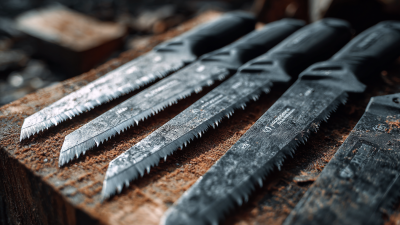
Picking the right metal Sawzall blades is a pretty important step for any project — but honestly, a lot of folks tend to overlook it. That little detail can make a huge difference when it comes to how fast and smoothly you get the job done. You know, the perfect blade can really boost your efficiency and save you some headaches.
Now, there are all kinds of metal Sawzall blades out there, coming in different sizes and styles. Each one is made for specific kinds of cuts. For example, some blades are great for chopping through thick metal, while others are better suited for thin sheets. It’s super important to pick the right one for what you're working on — don’t just grab the first thing you see.
Honestly, a lot of people struggle when trying to figure out which blade to go for. It’s easy to get overwhelmed with all the specs and options, and I’ve certainly made mistakes myself that led to bad cuts or even damaged tools. But, trust me, taking a few minutes to research what’s best for your project really pays off. When you choose wisely, your cutting tasks become way easier and way less frustrating.

Understanding Metal Sawzall Blades: An Overview
Metal Sawzall blades are crucial tools for various cutting projects. They come in different types, specifically designed for various metal thicknesses and materials. Understanding the construction of these blades can significantly impact the performance of your projects. For instance, blades made of bi-metal material combine high-speed steel and high-carbon steel, offering flexibility and durability.
When selecting a blade, consider the tooth design. Blades with a higher tooth count provide smoother cuts, ideal for thin metals. Conversely, larger teeth, such as those with 10-14 TPI (teeth per inch), are better for thicker materials. It's essential to match the blade's design with your specific cutting needs.
Tip: Always check the metal's thickness before choosing a blade.
Another factor is the blade length, which influences cutting depth and ease of use. Standard lengths range from 6 to 12 inches, but longer blades may be necessary for deep cuts. Remember, not all blades are suitable for every application. This can lead to frustration and wasted materials.
Tip: Keeping a variety of blades on hand can prevent job delays.
Proper usage and maintenance of Sawzall blades also matter. Dull blades can cause inefficient cuts and unnecessary strain on the equipment. Regularly inspect blades for wear and replace them as needed. While it may seem easy to overlook these details, small adjustments can enhance performance significantly.
Different Types of Metal Sawzall Blades and Their Applications
When considering metal Sawzall blades, it's essential to understand the different types available. Each blade type is designed for specific applications. For example, high-speed steel (HSS) blades are known for their versatility and can cut through soft metals. They perform well but may dull quickly with harder materials.
Bi-metal blades combine HSS with a tougher backing, making them ideal for tougher jobs. These blades often last longer and are less prone to breaking. According to industry reports, bi-metal blades have a longer lifespan, providing up to 50% more cuts than standard options. For heavy-duty applications, carbide-tipped blades offer superior performance. They excel in cutting materials like stainless steel but come at a higher cost.
Consider the project at hand when selecting blades. Cutting speed and blade longevity are vital. A wrong choice can lead to wasted time and resources. Often, users misjudge the required blade type, resulting in suboptimal performance. Understanding material thickness and composition is crucial. Many professionals suggest performing tests before starting larger projects. This helps avoid disappointment and ensures you achieve the desired results.
Key Features to Consider When Choosing Metal Sawzall Blades
When selecting metal Sawzall blades, several key features must be considered.
Blade material plays a crucial role.
High-carbon steel is common for many applications. It offers flexibility but may dull quickly.
Bi-metal blades combine materials for enhanced durability.
They can withstand more wear, making them suitable for tougher jobs.
Tooth design is another critical factor.
Blades with smaller teeth are better for precision cuts.
Larger teeth can handle thicker materials but may require more force.
It's essential to match the blade's tooth count with the metal type you'll be cutting.
Analyzing the thickness of the metal can prevent unnecessary strain and improve cutting efficiency.
Blade length also matters. Longer blades can reach deeper cuts but may lack control.
Shorter blades facilitate precision but may not handle thick materials well.
Finding the right balance can be challenging. Always evaluate the intended project and consider your skill level.
Each choice carries weight and can impact the outcome.
Your experience will guide you in making the right decision, but there may be mistakes along the way.
Reflecting on past projects can help inform better choices in the future.
Evaluating Blade Material: Steel vs. Carbide vs. Bi-Metal Blades
When selecting metal Sawzall blades, understanding blade material is crucial. Three primary types are steel, carbide, and bi-metal. Steel blades are basic and budget-friendly. However, they lack durability in tougher applications. They tend to wear out quickly under heavy use, often leading to frustration on the job.
Carbide blades are known for their toughness. They can cut through hard metals and last longer than steel. Data shows that carbide blades can last up to three times longer than standard steel blades. Yet, they are generally more expensive and may not be necessary for lighter projects. This creates a dilemma regarding cost versus longevity.
Bi-metal blades combine the best of both worlds. They feature a high-speed steel edge welded to a flexible steel back. This design provides flexibility and durability. A study indicated that bi-metal blades are favored for a wide range of applications, delivering a good balance of performance and price. However, they can fail if used on materials they are not designed for, which is a common oversight among users. Understanding the strengths and weaknesses of each material is essential for project success.
Blade Thickness and Tooth Count: Finding the Right Balance
Choosing the right sawzall blade is crucial for any project.
Blade thickness and tooth count play a significant role in performance.
According to industry experts, thinner blades cut faster but may break easier.
They excel in softer materials like wood or plastic, but can struggle with metal.
A thicker blade provides durability and strength, especially for heavy-duty tasks.
Tooth count is another important factor.
Blades with fewer teeth cut faster but leave rougher edges.
They are ideal for quick cuts. In contrast, blades with more teeth offer smoother finishes.
They may take longer but provide cleaner results, especially in metal cutting.
An industry study shows that a blade with 18 teeth per inch can effectively cut through sheet metal while minimizing burred edges.
Finding the right balance of thickness and tooth count is essential for efficiency.
Consider the project materials and desired results. Not every blade suits every task.
Some users overlook the importance of testing different types before committing to one.
It's worth taking the time to experiment and find your perfect match.
Brand Comparisons: Top Manufacturers of Metal Sawzall Blades
When it comes to choosing metal Sawzall blades, brand reputation matters. Some brands are renowned for their durable and high-performance products. Quality varies widely among manufacturers, making it crucial to consult user reviews. A trusted name often ensures better materials, design, and longevity. However, be aware that even reputable brands can falter at times.
Different projects require different blade types. Some blades excel in cutting through thick metals, while others are better suited for thinner materials. The number of teeth per inch (TPI) plays a pivotal role too. Blades with a higher TPI provide cleaner cuts but may work slower. Conversely, blades with lower TPI cut faster but can leave rougher edges. Matching the blade to your project is essential for optimal results.
**Tip:** Always check blade compatibility with your specific Sawzall model. This can save you from unexpected performance issues.
Experimenting with various brands can lead to surprises. You may find a less popular brand performs better for certain tasks. Don’t hesitate to explore and assess the durability after each project.
**Tip:** Keep a log of your experiences with different blades. This will help refine your choices for future tasks.
Maintaining and Caring for Your Metal Sawzall Blades
Maintaining and caring for your metal Sawzall blades is crucial for achieving optimal performance. According to industry reports, regularly maintained blades can last up to 50% longer than neglected ones. Simple steps can greatly extend their life and effectiveness.
Keep the blades clean. After each use, remove sawdust and metal shavings. A soft brush or compressed air can do the trick. Residue buildup can lead to overheating and reduced efficiency. Storing blades in a dry area prevents rust. Humidity can corrode metal, diminishing blade quality.
Tip: Consider rotating between blades. Frequent use of the same blade can wear it down quickly. Rotating helps distribute use, prolonging lifespan. Additionally, inspect your blades regularly. Look for signs of damage, such as chips or bends. Replace them when necessary; this maintains precision during cuts.
Always be mindful of the cutting speed. Using too much pressure can dull the teeth. Reports suggest that a lighter touch often yields cleaner cuts. Learning to adjust your cutting technique based on material will greatly impact blade longevity. Make these small changes for noticeable effects in your projects.
FAQS
: Symptoms include restlessness, rapid heartbeat, and excessive worry. You may also feel tense or unfocused.
Try deep breathing, regular exercise, and time management. Writing in a journal can help process thoughts too.
Consider seeking help if you feel overwhelmed, hopeless, or unable to cope with daily life. It’s okay to ask.
Spending time outdoors can uplift your mood. Socializing with friends also helps. Little joys matter.
A balanced diet contributes to good mental health. Foods rich in omega-3 fatty acids can be beneficial.
Mindfulness can reduce anxiety and increase self-awareness. Simple exercises like meditation can be calming.
Many people experience social anxiety. It’s a common feeling but can be managed with practice.
Poor sleep can worsen mental health issues. Aim for 7-9 hours of sleep for optimal functioning.
Yes, expressing feelings can be therapeutic. It can provide clarity and relieve emotional pressure.
Focus on your breathing and try grounding techniques. Remind yourself that the feelings will pass.
Conclusion
When it comes to tackling various metal cutting projects, understanding the right Metal Sawzall Blades is crucial. These blades come in different types, each suited for specific applications, from cutting through thin sheets to thick metal bars. Key features like blade material, thickness, and tooth count significantly impact performance, making it essential to evaluate options such as steel, carbide, and bi-metal blades to ensure optimal results.
Selecting the ideal Metal Sawzall Blades also involves considering brand differences and maintenance practices. A proper balance of blade thickness and tooth count can enhance cutting efficiency and extend the lifespan of the blades. By understanding these factors, users can make informed decisions and successfully complete their metalworking projects with the right tools at hand.