




Ever stared at a pile of materials—wood planks, metal sheets, plastic pipes—and wondered which jigsaw blade actually gets the job done without splinters, jagged edges, or constant blade changes? The right Best Jigsaw Blades Set for Cutting Wood, Metal & Plastic isn’t just a tool accessory; it’s the difference between a smooth DIY project and a frustrating mess. Whether you’re a hobbyist tackling home renovations or a pro handling varied job sites, choosing the correct Shank Blade and understanding how to match blades to materials is key. Let’s break down everything you need to know to make the smartest choice for your cutting needs.
First things first: Not all jigsaw blades are one-size-fits-all, and the biggest mistake buyers make is ignoring Shank Blade compatibility. Modern jigsaws primarily use T-shank blades, which feature a tool-free quick-change design that’s secure and efficient—perfect for frequent blade swaps between cutting wood, metal, and plastic. Older models, though less common, rely on U-shank blades that require manual tightening with screws. Before buying any set, check your jigsaw’s manual to confirm shank compatibility; a mismatched Shank Blade will lead to vibration, poor cuts, or even damage to your tool.
Next, let’s tackle the core question: How to pick the right blade from a Best Jigsaw Blades Set for Cutting Wood, Metal & Plastic for each material? The secret lies in two key factors: blade material and teeth per inch (TPI).
For wood cutting—whether softwood like pine or hardwood like oak—focus on blade material and TPI. High-carbon steel (HCS) blades work great for softwoods, offering flexibility to avoid breaking during curved cuts. For hardwoods or nail-embedded wood, go for bi-metal blades (a mix of HCS and high-speed steel) that balance durability and sharpness. As for TPI: Coarse blades (10-12 TPI) cut faster through thick wood but leave a rougher finish, while fine blades (18-32 TPI) deliver smooth, precise cuts for furniture or decorative pieces. Pro tip: If you’re cutting thin plywood, a fine-toothShank Blade will prevent splintering on the surface.
Cutting metal demands blades that can handle hardness without dulling quickly. Bi-metal or high-speed steel (HSS) blades are your best bet here. The TPI matters even more for metal: Thin sheets (1/8 inch or less) need higher TPI (14-24) for clean, smooth cuts, while thicker metal (up to 1/4 inch) works better with 10-14 TPI blades that remove material faster. Always use a lubricant (like cutting oil) when cutting metal—it reduces friction, extends blade life, and improves cut quality. Avoid using wood-cutting blades on metal; they’ll dull instantly and can overheat your jigsaw.
Plastic cutting is often overlooked, but the wrong blade can cause melting or cracking. Look for HCS or bi-metal blades with 10-20 TPI—they’re sharp enough to slice through plastic without generating too much heat. For brittle plastics (like PVC), a finer TPI (18-20) helps prevent chipping. Keep your jigsaw speed low to medium; high speeds melt plastic, clogging the blade and ruining the cut. A good Best Jigsaw Blades Set for Cutting Wood, Metal & Plastic will include at least 2-3 plastic-specific blades for different thicknesses.
Beyond material matching, here are three quick tips to get the most out of your jigsaw blades: 1) Always let the blade do the work—pushing too hard bends the blade and causes wandering cuts. 2) Check blade sharpness regularly; dull blades make more noise, generate heat, and produce poor results. 3) Store blades in a case (many sets come with one) to keep them sharp and organized—no more rummaging through toolboxes for the right Shank Blade.
When shopping for a Best Jigsaw Blades Set for Cutting Wood, Metal & Plastic, prioritize versatility and quality over quantity. A 20-50 piece set with assorted T-shank blades (for wood, metal, and plastic) is ideal for most users. Look for trusted materials like bi-metal and HSS—they last longer than cheap carbon steel blades. Avoid sets with too many specialty blades if you don’t need them; focus on the materials you cut most often.
At the end of the day, the best jigsaw blade set is one that adapts to your projects. By understanding Shank Blade compatibility, matching TPI and blade material to your material, and following simple cutting tips, you’ll get professional-quality results every time. Whether you’re building a bookshelf, installing metal trim, or crafting plastic planters, the right set takes the guesswork out of cutting—letting you focus on the project, not the tools.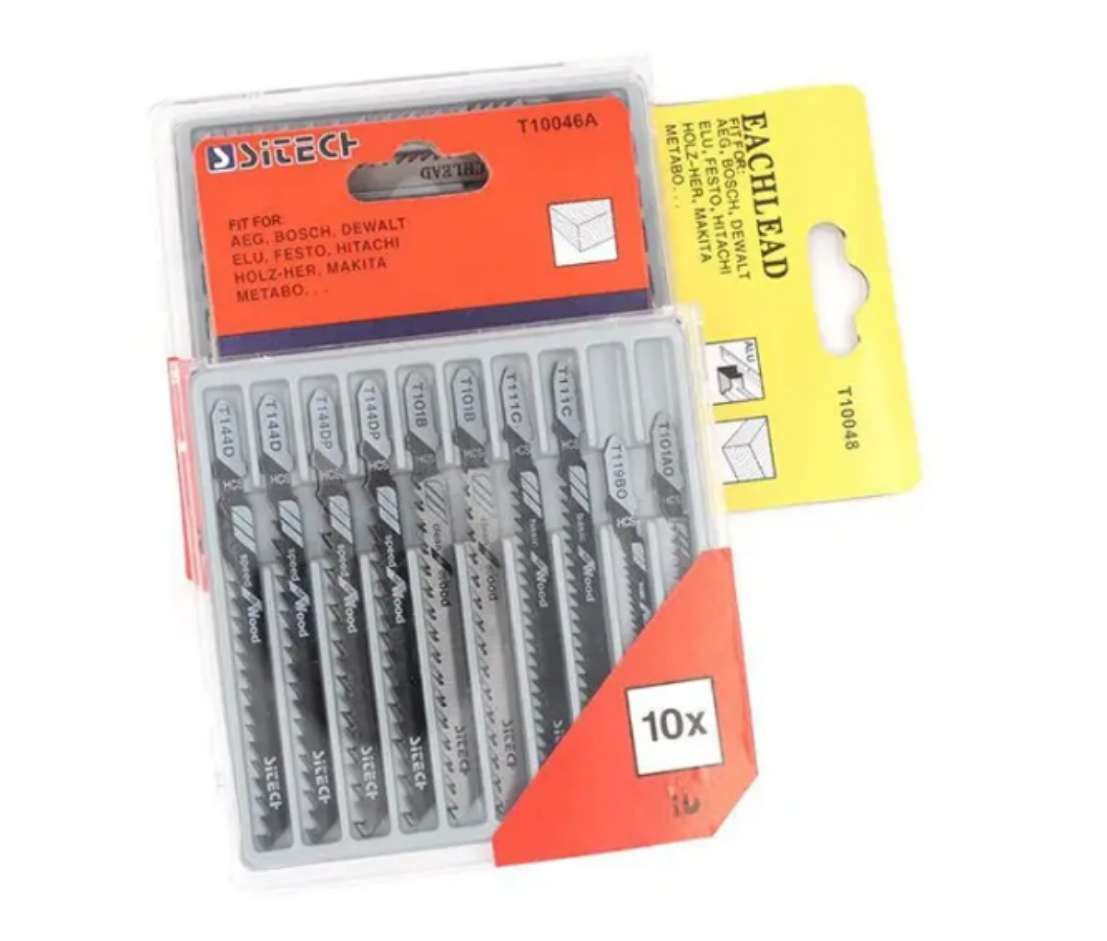
Post time: Dec-30-2025