




Frequent replacement of recip saw blades eats into your budget and slows down work progress—frustrations every tradesperson and DIY enthusiast knows too well. The good news? With the right practices, you can significantly extend the lifespan of your reciprocating saw blades while maintaining top cutting performance. Below are proven tips tailored to real-world usage, plus key insights into the recip saw blades industry to help you make smarter purchasing and usage decisions.
Core Tips to Prolong Reciprocating Saw Blades Lifespan
1. Match the Blade to the Material (The Most Critical Step)
Using the wrong recip saw blade for your cutting material is the No.1 cause of premature wear. For example, high-carbon steel blades work best for soft woods and plastics, while bi-metal blades (M2/58CrV4 or M42/D6A) are designed for tough materials like metal and nails-embedded wood. Fine-tooth blades (18-24T) excel at smooth cuts on thin metals, while coarse-tooth blades (3-6T) handle thick woods more efficiently without overheating. Pro Tip: Always check the blade’s material compatibility label before use—this simple step can double its lifespan.
2. Avoid Overexertion and Maintain Proper Speed
Pressing down hard on the saw or forcing the blade through material creates excessive friction, which dulls teeth and warps the blade. Let the blade do the work: maintain a steady, moderate feed rate that matches the blade’s design. Most modern reciprocating saws have variable speed settings—adjust them based on the material: lower speeds for hard metals, higher speeds for soft woods. This reduces heat buildup, a major enemy of recip saw blades durability.
3. Regular Cleaning and Rust Prevention
Sawdust, resin, and metal shavings accumulate on blade teeth during use, causing clogging and corrosion over time. After each use, wipe the blade with a dry cloth to remove debris. For stubborn resin buildup, soak the blade in warm, soapy water for 10 minutes, then scrub gently with a soft brush. Always dry the blade thoroughly before storage—store in a dry, ventilated area, and consider using a rust-inhibiting spray or moisture-absorbing packets for long-term storage.
4. Inspect and Maintain Blade Tension Regularly
Loose blades vibrate excessively during cutting, leading to uneven wear and potential damage. Before each use, check that the recip saw blade is securely fastened to the saw’s clamp. If you notice excessive vibration or unusual noise while cutting, stop immediately to recheck the tension. Also, inspect the blade for tiny cracks or missing teeth—using a damaged blade not only shortens its lifespan but also risks safety accidents.
5. Invest in Professional Resharpening
When your recip saw blade starts to cut slowly or leaves rough edges, don’t rush to replace it. Professional resharpening can restore blade performance at a fraction of the cost of a new blade. Most reputable tool shops offer this service, and a well-sharpened blade can last through multiple resharpening cycles. Note: Blades with severe warping or excessive tooth loss are not suitable for resharpening—know when to replace them.
Key Insights into Recip Saw Blades: Professional Basics & Industry Traits
What Are Recip Saw Blades?
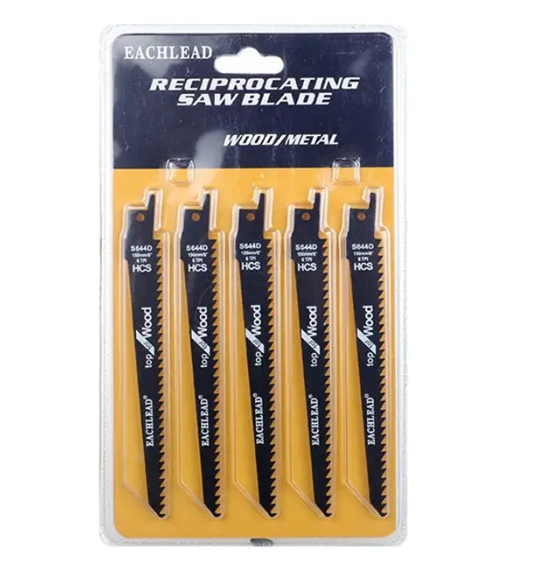
Reciprocating saw blades are detachable cutting tools designed for reciprocating saws, featuring a linear reciprocating motion for cutting through various materials. Common materials include high-carbon steel, high-speed steel (HSS), and bi-metal alloys—each tailored to specific cutting needs. Their core advantage lies in versatility, making them indispensable in construction, renovation, automotive repair, and DIY projects.
Recip Saw Blades Industry Trends
The global recip saw blades industry is shifting toward “quality over quantity,” with three key trends shaping the market. First, customization is on the rise—manufacturers now offer blades tailored to niche needs, such as cutting hardwood, fiberglass, or stainless steel. Second, energy efficiency and durability are becoming core demands: low-friction coatings and optimized tooth designs are widely adopted to reduce wear and cut energy consumption. Third, brand specialization is growing—top brands focus on specific segments to build trust, as buyers increasingly prioritize reliable performance over low prices.
Final Thoughts
Extending the lifespan of your reciprocating saw blades isn’t just about saving money—it’s about boosting work efficiency and ensuring consistent results. By following the tips above—matching blades to materials, avoiding overexertion, regular cleaning, and proper maintenance—you can get the most out of each blade. And understanding the latest industry trends helps you choose blades that align with your long-term needs. Remember: A well-maintained recip saw blade is a cost-effective and safe tool for any cutting project.
Post time: Jan-14-2026